

Separating the Harm from the Art
Looking at and contrasting the good from the bad in various entertainment mediums.

“You’ve never seen House Party?” It was a question posed to me with great incredulity. And the fact was, I know I had seen clips… to the point that I associate Heatwave’s “Always and Forever” with that film and the early nineties (not at all with the seventies). “Always and Forever” sits next to New Jack Swing and A Different World in my memory banks. But the only Kid ’N Play movie I had ever seen was Class Act, and the film I associated Tisha Campbell with the most was Little Shop of Horrors. “You have to see it,” friends would tell me. “It’s a Black classic!” The ones who really knew how to get me would add, “It’s practically a musical!”
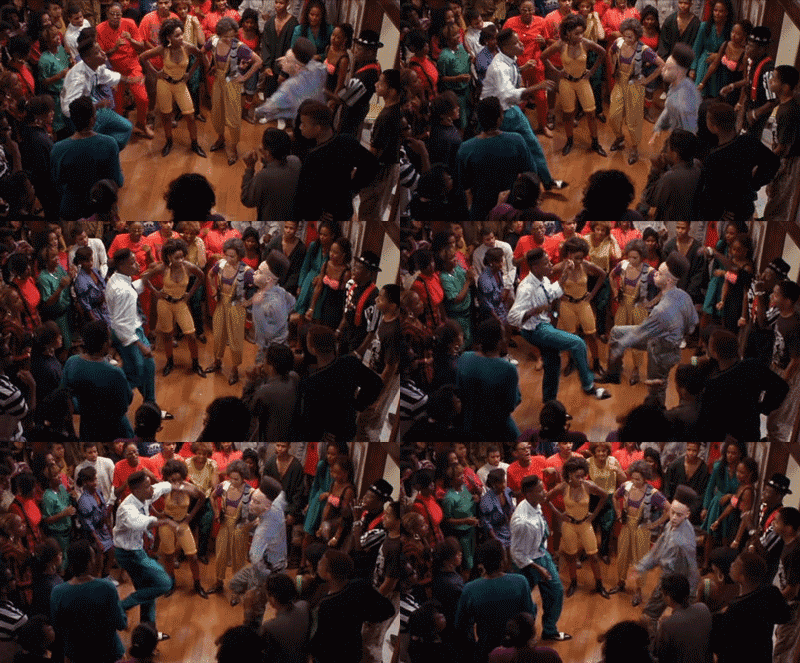
When I did watch it, I laughed at most of the jokes, bopped my head to the jams, and rolled my eyes at the casual misogyny. Films are products of their time, of course. Older movies are bound to have problematic bits.
Then came an entire sequence that discolored my view of the whole enterprise—the film, the stars, and every person who had ever recommended the movie to me. Christopher Reid, or “Kid,” is put in jail with a group of men who have carnal intentions for him, and he raps offensive, stereotypical, homophobic lyrics for several minutes. As a queer man, I find it gross, and as a filmmaker, I find it unnecessary. It does nothing to further the plot or develop the characters. It’s just a giant stop sign for anyone who isn’t straight.
“It’s important that we continually interrogate the art we consume. Who it is for, who it isn’t for, who it helps, who it hurts, and how we engage with all of its facets.”
I couldn’t understand how anyone would recommend this movie to me. I asked one person about it, and it became clear that they didn’t remember the scene at all. (It’s typically cut for modern broadcasts, as Reid noted on a recent radio interview, but these friends had seen the unedited original version.) This sat with me, because the film is revered in the Black community, and made household names out of many of its stars who went on to greater successes, including Campbell and her future Martin co-star Martin Lawrence.
But that one scene was so harmful to me as an individual that I never want to see it again, and can barely handle someone bringing it up without wrinkling my nose. So what was the difference between the casual misogyny and the overt homophobia? Both can be considered products of their time. In the same interview with Reid, host Charlamagne tha God says, “That’s when homophobia was hilarious.” So I began to reflect on what it means to compartmentalize art.
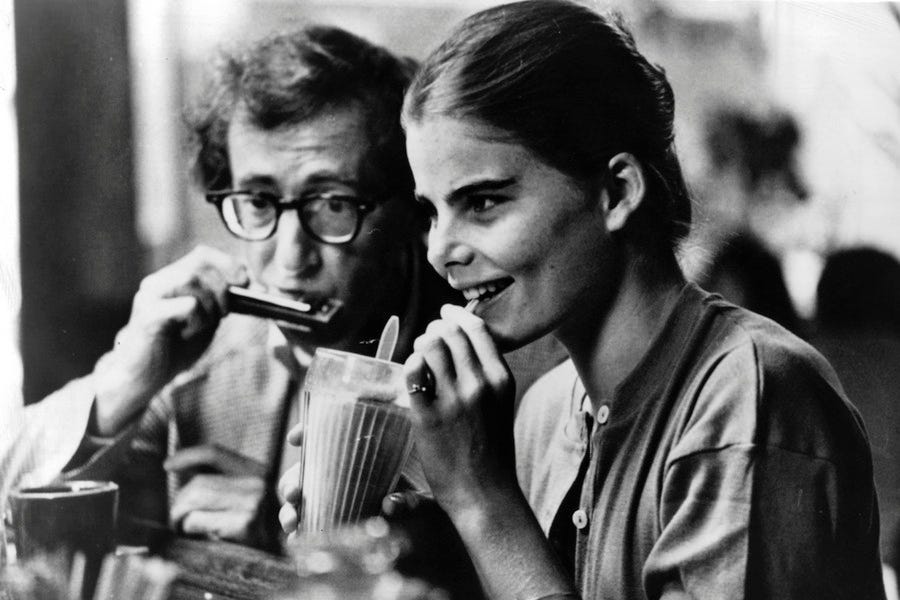
The most common example of this is when people discuss “separating the art from the artist.” Typically that revolves around someone who had sole or dominant ownership of the art they’re making. Songwriters like R. Kelly, novelists like J.K. Rowling, and directors like Woody Allen sit solidly in this category, where their personal vices are on unmistakable display in their work. Collaborative mediums blur these lines, and that’s where I find myself contemplating what it means to “separate the harm from the art.”
A series like The Cosby Show is hard to stomach now with all of the unearthed knowledge about how creator and star Bill Cosby used his power an influence not just as a celebrity, but as man with no regard for consent. As revered and beloved as that show and its characters were, for some people having to stomach that much of that man is understandably difficult. Cosby wrote, produced, and starred on the show, so its legacy is tightly wound with that of his own.
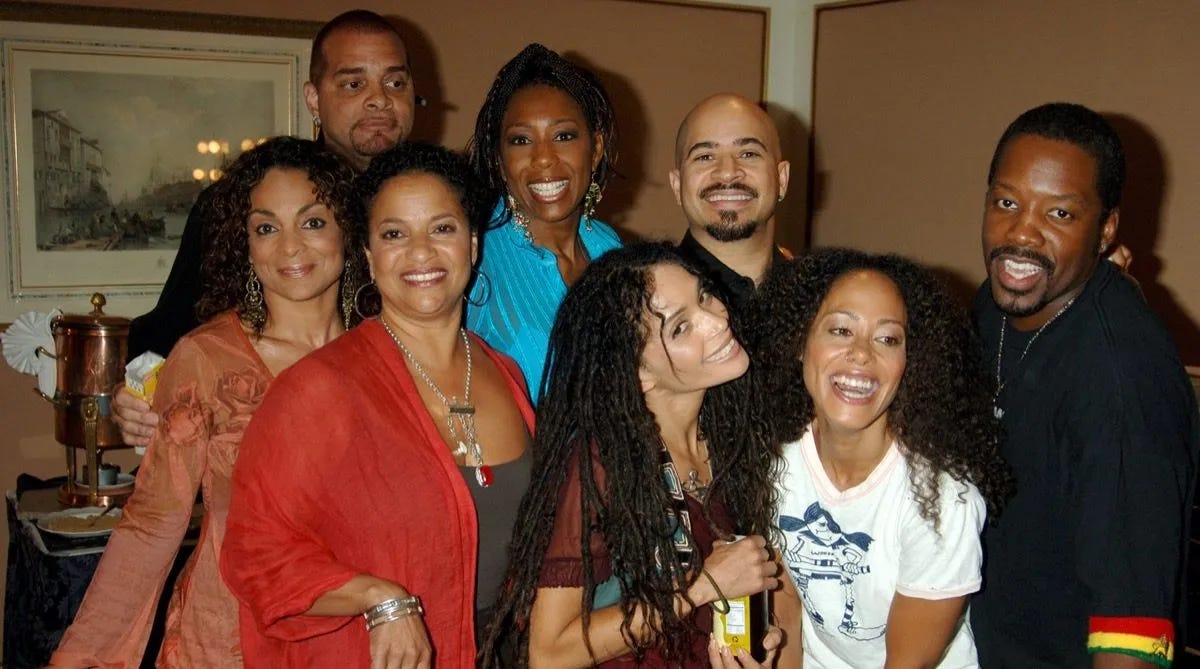
Then there is its aforementioned spinoff show, A Different World, which, while co-created by him, only features him in a three guest appearances in the skippable first season, before it was retooled by Debbie Allen. A Different World, which for a time was top three in television ratings alongside Cheers and its parent show, even outranking Cosby during the 1990-1991 season, is truly Debbie Allen’s show, despite Cosby’s credits.
She turned the series into one that is, to this day, unparalleled in its impact on television and Black culture, confronting issues like colorism, date rape, the Gulf War, HIV, and many other topics other shows of the era wouldn’t dare to touch. So when I stream an episode, how much does it weigh on me that Bill Cosby was involved in its creation and is making a fraction of the dollar I’m spending? Not much, because the active good that show does far outweighs the harm the man did, in my estimation. And that’s going to vary person to person.
When people talk about movies that “wouldn’t get made today,” they’re usually talking about shock humor, while still propping up films that romanticize sexual assault or normalize Blackface, brownface, and yellowface.
None of it is okay, but there is a point where each viewer must decide for themselves what they are willing to overlook and why. Mickey Rooney’s unconscionable yellowface in Breakfast at Tiffany’s has kept me from ever wanting to watch that film, while Jenette Goldstein’s brownface in Aliens isn’t mean-spirited, and thus, easier for me to overlook. I suspect I would weigh things differently if I was from the communities directly impacted by those portrayals and whether or not I would categorize those as harmful.
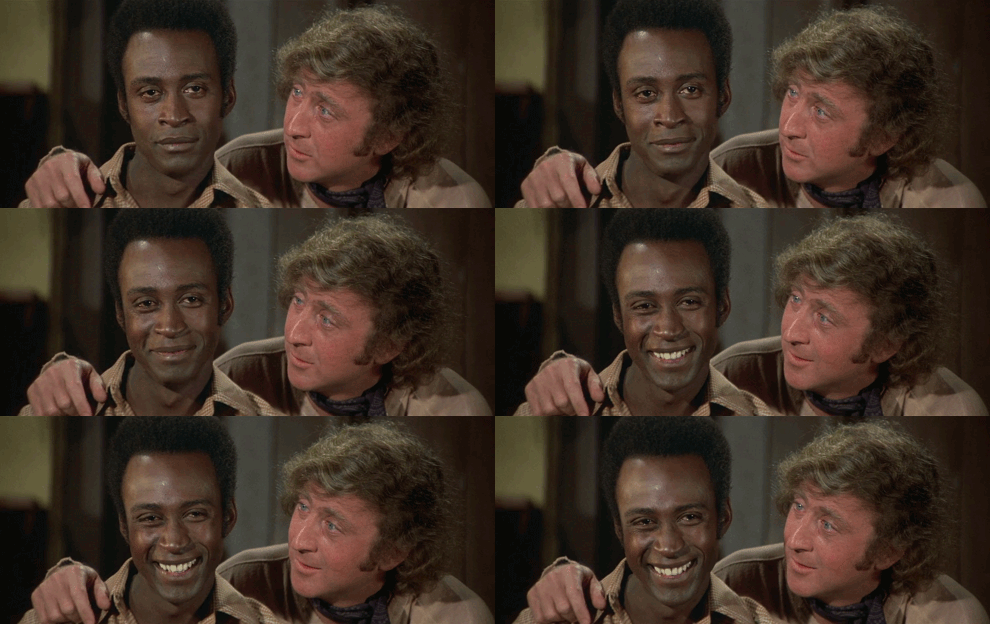
I think it’s telling, though, that a film like Blazing Saddles, with its equal opportunity racial humor (like Rush Hour after it) is considered a film that “could never be made today,” while a harmful film like Breakfast at Tiffany’s is on many lists of films a person should see before they die, often with no disclaimers.
Much of that has to do with who controls the zeitgeist. There’s a reason Black celebrities with illustrious careers are only known in Black households (known as “Black famous”) while white celebrities are considered universal stars. Harmful representation usually punches down, so the question forms at the point of intersection. Does the egregious homophobia in House Party outweigh its pro-Blackness? I don’t believe there is a definitive answer, or, rather, there is not a communistic determination. It’s individualized.
“Harmful representation usually punches down, so the question forms at the point of intersection.”
This goes deeper than merely liking or disliking something. I was triggered by the jail sequence in House Party, and I’m triggered by other instances of drive-by homophobia in films I otherwise enjoy (Can’t Hardly Wait comes to mind). Something similar happens with the use of slurs in movies. Anti-queer slurs still populate popular media, and the n-word is far too often still used for shock value “humor” (and is one of the reasons I turned of the film V/H/S after a few minutes).
Tellingly, people who aren’t impacted by the down punching are oblivious to its presence.
I think of men who recognized misogyny and rape culture only after they get married or have female children. I think of friends who openly quipped homophobic witticisms before learning I was queer. I think of some of the anti-Asian humor populating hit sitcoms throughout my childhood and when I watch those episodes now, I cringe because as a child with no Asian associates, my perspective was much more ignorant than it is now. (I should add that if you think we’ve come far enough with queer representation, I guarantee you won’t have to go back very far to think of the last film or show you watched with transphobic humor.)
So I don’t pose the question about separating harm from the art with a definitive answer. I ask the question because it’s important that we continually interrogate the art we consume, who it is for, who it isn’t for, who it helps, who it hurts, and how we engage with all of its facets.
Art is meant to challenge us, maybe even disturb us, but it should never be allowed to maliciously harm us.